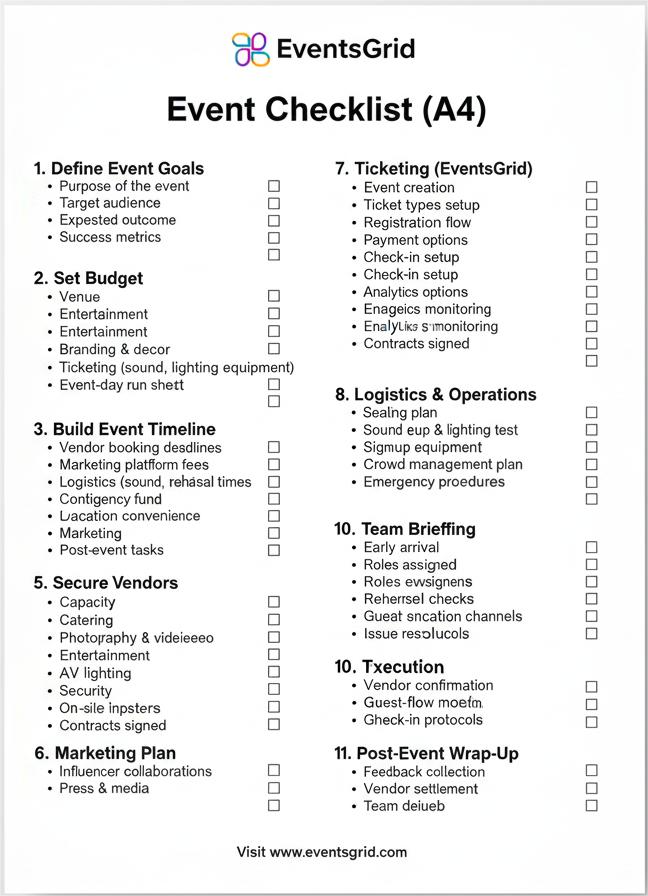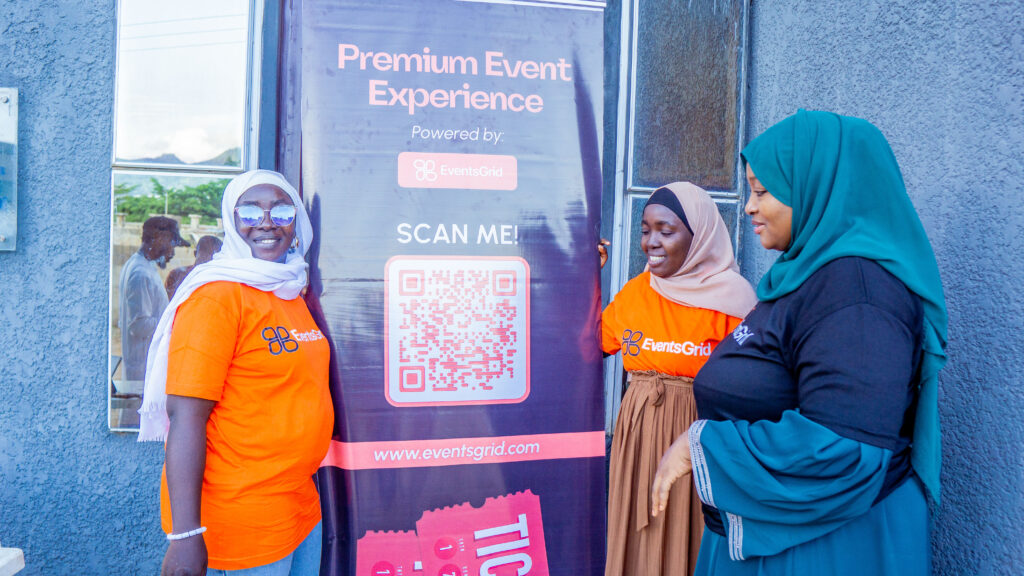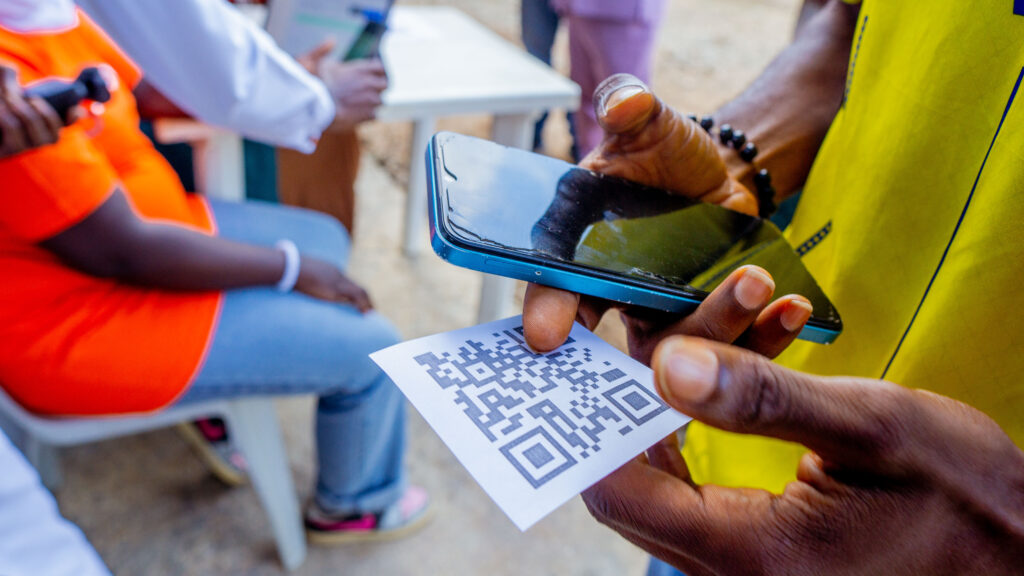
Planning an event no matter the size comes with a long list of moving parts. From choosing the right venue to keeping guests engaged, success depends on how well you prepare. After 34 years of managing corporate conferences, concerts, university events, and community gatherings, I can confidently say: a solid checklist is the backbone of every smooth event. Whether you’re planning a small networking mixer or a full-scale festival, this guide breaks down everything you need to stay organized and in control.
1. Define Your Event Goals & Concept
Start with clarity.
Ask yourself:
What is the purpose of the event?
- Who is the target audience?
- What experience do you want them to walk away with?
- What is your measurable success metric? (e.g., attendance, revenue, engagement)
Once the vision is clear, developing the theme, format, and flow becomes much easier.
2. Set Your Budget
Your budget determines the scale of your event.
A complete event budget should include:
- Venue fees
- Catering
- Entertainment or speakers
- Décor & branding
- Ticketing or registration platform
- Staff & security
- Logistics (sound, lighting, equipment)
- Marketing
- Contingency (recommended 10–15%)
Keep all expenses tracked from day one poor budgeting is one of the fastest ways to derail an otherwise great event.
3. Build an Event Timeline
A well-structured timeline prevents last-minute stress.
Your timeline should include:
- Planning milestones
- Vendor booking deadlines
- Promotional schedule
- Ticket sales phases
- Rehearsals or sound checks
- Setup and teardown periods
- Post-event follow-up tasks
Pro tip: Use event management tools (like ClickUp, Trello, or Notion) to keep your timeline organized and visible to your team.
4. Choose the Perfect Venue
Your venue sets the tone for the entire event.
Consider:
- Capacity
- Accessibility
- Parking and transportation
- Technical facilities (sound, lighting, Wi-Fi)
- Safety compliance
- Layout flexibility
- Proximity to your audience
Always conduct an on-site inspection—photos never tell the full story.
5. Secure Vendors Early
From caterers to DJs, vendors can make or break your event.
Key vendors may include:
- Catering team
- Event decorator
- AV/light technicians
- Photographers & videographers
- Entertainment or speakers
- Security team
- Ticketing & check-in platform (e.g., EventsGrid)
Create vendor contracts and keep communication consistent.
6. Create Your Event Marketing Plan
Even the best event falls flat without proper promotion.
Your marketing toolbox can include:
- Social media campaigns
- Influencer partnerships
- Flyers & posters
- Email newsletters
- Press releases
- Event listing platforms
Ensure your messaging clearly communicates the value of attending.
7. Plan Registration & Ticketing
Make it easy for people to attend.
Your ticketing system should offer:
- Seamless registration
- Mobile-friendly tickets
- Fast, secure check-in
- Multiple payment options
- Analytics to monitor sales
- Automated confirmations
Platforms like EventsGrid make this process effortless while offering smart insights and reliable support.
8. Handle Logistics & Operations
This is where the real magic happens.
Your logistics checklist should include:
- Seating arrangement or floor plan
- Stage setup
- Lighting and sound requirements
- Backup equipment
- Signage and branding
- Waste disposal plan
- Crowd management strategy
- Emergency protocols
Walk through the venue at least 24 hours before the event with your full operations checklist.
Staff and volunteers should know:
- Their roles
- Their reporting structure
- The event schedule
- Emergency procedures
- Customer service expectations
A prepared team creates a seamless guest experience.
10. Execute & Monitor the Event
On the event day:
- Arrive early
- Run through your checklist
- Keep communication open (radios or WhatsApp group)
- Monitor guest flow
- Troubleshoot issues quickly
- Stay calm—your energy sets the tone
A successful event manager is visible, proactive, and calm under pressure. Your event doesn’t end when the guests leave.
Complete your final tasks:
- Send thank-you messages to attendees and vendors
- Review analytics (attendance, revenue, engagement)
- Collect feedback
- Conduct a post-event debrief with your team
- Document what worked and what didn’t
This is how each event becomes better than the last.
Final Thoughts
A smooth event doesn’t happen by accident it’s the result of structured planning, reliable systems, and a detailed checklist guiding every step. Use this Event Checklist Guide to stay organized, reduce stress, and deliver an unforgettable experience your audience will remember.